Mar
Iboga has been used for centuries in Central Africa as a tool for healing, initiation, and deep spiritual exploration. Today it is gaining global attention but with that growing interest comes a serious responsibility to use it correctly.
If you are researching how to use iboga, this guide will give you clear, honest, and practical information to help you approach it safely and with the respect it deserves.
Understanding What Iboga Actually Is
Before discussing how to use it, it helps to understand what you are working with.
Iboga comes from the root bark of Tabernanthe iboga a slow-growing rainforest shrub native to Central Africa. Its root bark contains a complex mix of alkaloids, the most well-known being ibogaine. These compounds interact with multiple systems in the brain simultaneously including serotonin transporters, opioid receptors, and NMDA receptors which is why the iboga experience is unlike anything else.
Step One Medical Screening
This is the most critical step and it cannot be skipped.
Iboga affects the heart’s electrical activity specifically the QT interval in ways that can be dangerous for people with underlying cardiac conditions. Before any iboga protocol, you need a full cardiac evaluation including an ECG (electrocardiogram). This screening identifies whether it is safe for you to proceed.
You also need a complete medication review. Several common medications interact with iboga in ways that range from counterproductive to life-threatening. These include antidepressants, opioids, stimulants, and certain psychiatric drugs. Your prescribing doctor and any iboga facilitator you work with both need to be fully informed.
Step Two Choosing the Right Form
Iboga comes in several forms, and choosing the right one is important. Each has different potency, onset, and character.
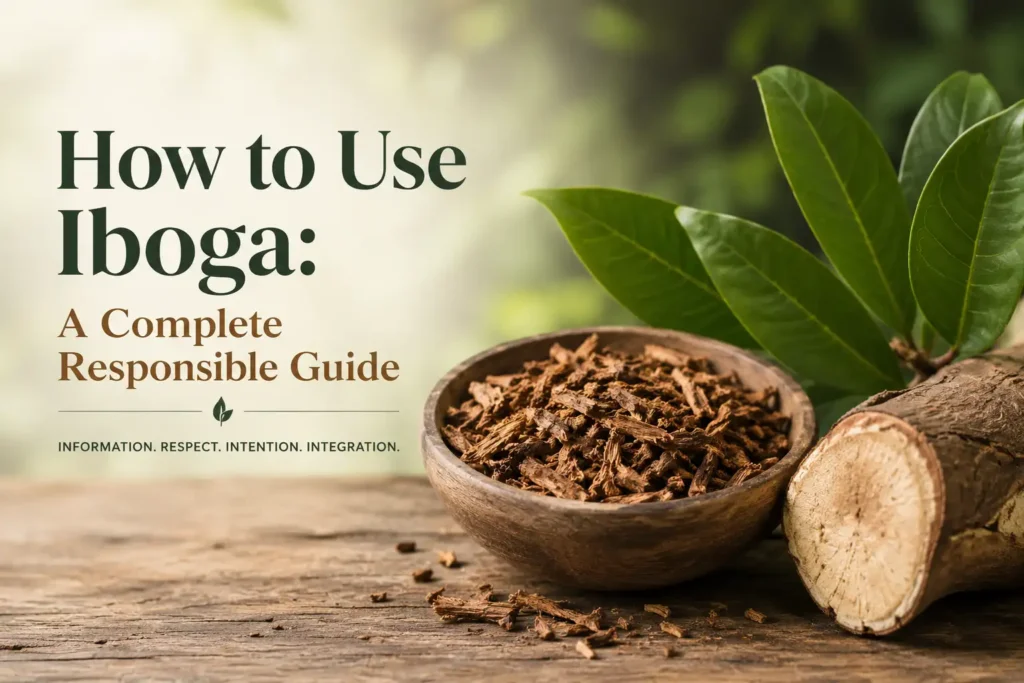
Iboga root bark is the most traditional form dried, powdered, and consumed directly or in capsules. It contains the full natural alkaloid profile of the plant and is most commonly used in ceremonial and Bwiti-tradition settings. The experience it produces is broad and plant-authentic.
Iboga TA (Total Alkaloid extract) is a concentrated extract that preserves the full alkaloid spectrum in a more potent form. It is widely used in retreat settings and by experienced practitioners who want the full plant experience with greater consistency than raw root bark.
Ibogaine HCL is the purified, pharmaceutical-grade form of ibogaine refined to 98% or higher purity. It is the preferred choice in clinical and medical settings because it allows precise, measurable dosing. If you are working within an addiction treatment protocol, this is most likely the form your provider will use.
Never substitute one form for another at the same dosage. Potency varies significantly between them.
Step Three Dosage Guidance
Dosage is one of the most nuanced aspects of working with iboga, and it should always be determined with professional support never guessed.
General reference ranges across forms include:
- Microdose: 1–3g root bark mild, clarifying, no significant psychoactive effect
- Moderate dose: 5–15g root bark noticeable introspection and altered perception
- Flood dose: 15–30g+ root bark full therapeutic or ceremonial experience, requires full medical supervision
For ibogaine HCL, clinical protocols typically use 10–20 mg/kg of body weight for a full therapeutic session, always beginning with a small test dose to assess tolerance.
Your body weight, health status, metabolism, and the specific product being used all influence how iboga affects you. A qualified practitioner will take all of these factors into account when helping you determine an appropriate dose.
Step Four Set, Setting and Support
Where you take iboga and who is with you shapes everything about the experience.
Choose a calm, safe, and comfortable environment ideally one specifically prepared for iboga work. Dim lighting, a comfortable surface to lie on, a bucket nearby (nausea is common), and minimal external distractions are all important.
Never use iboga alone. At therapeutic doses, you will be largely incapacitated for many hours. Having at least one experienced, sober support person present is essential both for safety and for grounding during difficult moments in the experience.
Fasting for 24 hours beforehand is standard practice. Avoid alcohol, stimulants, and heavy meals in the days leading up to your session. Rest well and stay hydrated.
Step Five Integration Afterwards
Integration is the part most people underestimate and it may be the most important step of all.
The iboga experience often surfaces deep emotions, memories, and insights that need time and attention to process. Without intentional integration, even the most powerful experience can fade without producing lasting change.
Plan your aftercare before you begin. This might involve working with a therapist experienced in psychedelic integration, journaling regularly, reducing stressors in your daily environment, and giving yourself genuine time to rest and reflect in the days and weeks that follow.
Many practitioners recommend a minimum of two weeks of quiet recovery time after a flood dose not because you will feel unwell the whole time, but because the neurological and psychological shifts that iboga initiates continue to unfold long after the acute experience ends
Final Thoughts
Knowing how to use iboga responsibly is about far more than the moment of ingestion. It is about preparation, medical safety, choosing the right form and dose, surrounding yourself with qualified support, and committing to integration afterwards.
The iboga plant is powerful medicine and it rewards those who approach it with patience, honesty, and genuine respect. Take the time to do it properly. Your safety and the quality of your experience both depend on it. how to use iboga
