
BLOG
The Anti-Addiction Drug Ibogaine and the Heart: A Delicate Relationship

May
Ibogaine has captured the attention of addiction researchers, clinicians, and patients worldwide. Stories of people breaking free from years of opioid dependence after a single ibogaine session are compelling even remarkable. But behind the promise lies a serious concern that the medical community cannot ignore: ibogaine’s effect on the heart.
Understanding this relationship is not about dismissing ibogaine’s potential. It is about approaching one of the most powerful compounds in addiction medicine with the respect and caution it deserves.
What Is Ibogaine?
Ibogaine is a naturally occurring psychoactive alkaloid found in the root bark of Tabernanthe iboga, a shrub native to Central and West Africa including Gabon and Cameroon. For centuries, the Bwiti people have used iboga root bark in spiritual initiation ceremonies.
In modern medicine, ibogaine has attracted serious attention for its ability to:
- Dramatically reduce opioid withdrawal symptoms
- Interrupt addictive patterns to multiple substances including cocaine, alcohol, and methamphetamine
- Produce lasting psychological insights that support long-term recovery
- Reset dopamine receptor sensitivity after prolonged drug use
Yet despite these extraordinary properties, ibogaine remains a Schedule I substance in the United States largely because of its safety profile, and most critically, its cardiac risks.
How Ibogaine Affects the Heart
This is where the story becomes complex. Ibogaine is what pharmacologists call a hERG potassium channel blocker. The hERG channel plays a vital role in regulating the electrical activity of the heart specifically the timing of each heartbeat.
When ibogaine blocks this channel, it prolongs what is known as the QT interval the time it takes for the heart’s ventricles to electrically reset between beats. This is measured on an electrocardiogram (ECG).
A prolonged QT interval is dangerous because it creates a window of vulnerability during which the heart can slip into a life-threatening arrhythmia called Torsades de Pointes a chaotic, rapid rhythm that can deteriorate into ventricular fibrillation and sudden cardiac death.
This is not a theoretical risk. It has caused fatalities.
The Real-World Cardiac Risk
Multiple deaths have been reported in association with ibogaine administration, with cardiac arrhythmia identified as the leading cause. A review of ibogaine-related fatalities found that the majority occurred in individuals who had one or more of the following risk factors:
- Pre-existing heart conditions — including undiagnosed long QT syndrome
- Electrolyte imbalances — particularly low potassium or magnesium, common in people withdrawing from opioids or alcohol
- Polydrug use — combining ibogaine with other QT-prolonging substances such as methadone, antidepressants, or stimulants
- No cardiac screening — receiving ibogaine without a prior ECG or medical evaluation
- Dehydration — which worsens electrolyte status and cardiac vulnerability
The challenge is significant. Many people seeking ibogaine treatment are in physically compromised states after years of substance use. Their cardiac baseline is often unknown, and their bodies are under stress at the very moment they take a substance that demands cardiac stability.
What the Research Says
Studies have consistently confirmed ibogaine’s QT-prolonging effects. Research published in leading pharmacology journals has shown that ibogaine prolongs the QT interval in a dose-dependent manner meaning the higher the dose, the greater the cardiac risk.
Importantly, ibogaine’s primary metabolite noribogaine the compound the body produces after metabolizing ibogaine also prolongs the QT interval and remains in the body for days to weeks after the ibogaine session ends. This means cardiac risk does not disappear when the psychoactive effects wear off.
Who Is Most at Risk?
Not everyone who takes ibogaine will experience cardiac complications. However, certain individuals face significantly elevated risk. Medical professionals and researchers consistently flag the following groups:
High-Risk Individuals
- Anyone with a personal or family history of heart disease
- People with diagnosed or undiagnosed long QT syndrome
- Individuals currently taking QT-prolonging medications — including many antidepressants, antipsychotics, and antibiotics
- Those with liver disease, as ibogaine is metabolized hepatically and impaired clearance increases exposure
- People with severe electrolyte imbalances from withdrawal, malnutrition, or dehydration
Lower-Risk Profile
- Younger individuals with no cardiac history
- Those who undergo thorough pre-treatment cardiac screening
- Patients treated in medically supervised settings with continuous ECG monitoring
- Individuals who correct electrolyte deficiencies before treatment
The difference between these two groups is not just medical — it is a matter of life and death.
The Protocol Question: Can Ibogaine Be Made Safer?
This is the most important question in ibogaine research today. The answer, cautiously, is yes with the right protocols.
Leading ibogaine researchers and clinics have developed harm-reduction frameworks that include:
Pre-Treatment Cardiac Screening
A 12-lead ECG must be performed before any ibogaine administration. Any QTc interval above 450ms in men or 470ms in women is considered a contraindication by most responsible practitioners.
Electrolyte Optimization
Potassium and magnesium levels must be corrected before treatment. These minerals are essential for normal cardiac electrical activity and are frequently depleted in people withdrawing from substances.
Medication Review and Washout
All QT-prolonging medications must be identified and, where clinically safe, discontinued with sufficient washout time before ibogaine administration.
Continuous Cardiac Monitoring
Responsible ibogaine treatment requires continuous ECG monitoring throughout the active session typically 24 to 36 hours with emergency cardiac intervention capability on standby.
Post-Treatment Monitoring
Given noribogaine’s prolonged presence in the body, cardiac monitoring should continue for at least 24 hours after the ibogaine experience ends.
These protocols do not eliminate risk entirely. But they reduce it dramatically and they represent the standard that any ethical ibogaine provider should meet.
Ibogaine Analogues: Building a Safer Path
One of the most significant developments in ibogaine research is the emergence of structural analogues specifically engineered to preserve therapeutic effects while reducing cardiac risk. This is where compounds like 18-methoxycoronaridine (18-MC) and tabernanthalog (TBG) enter the picture.
18-MC
Developed with NIDA support, 18-MC has shown anti-addictive effects in preclinical models without the significant QT prolongation seen with ibogaine. It does not block the hERG channel with the same potency, making it a safer candidate for clinical development.
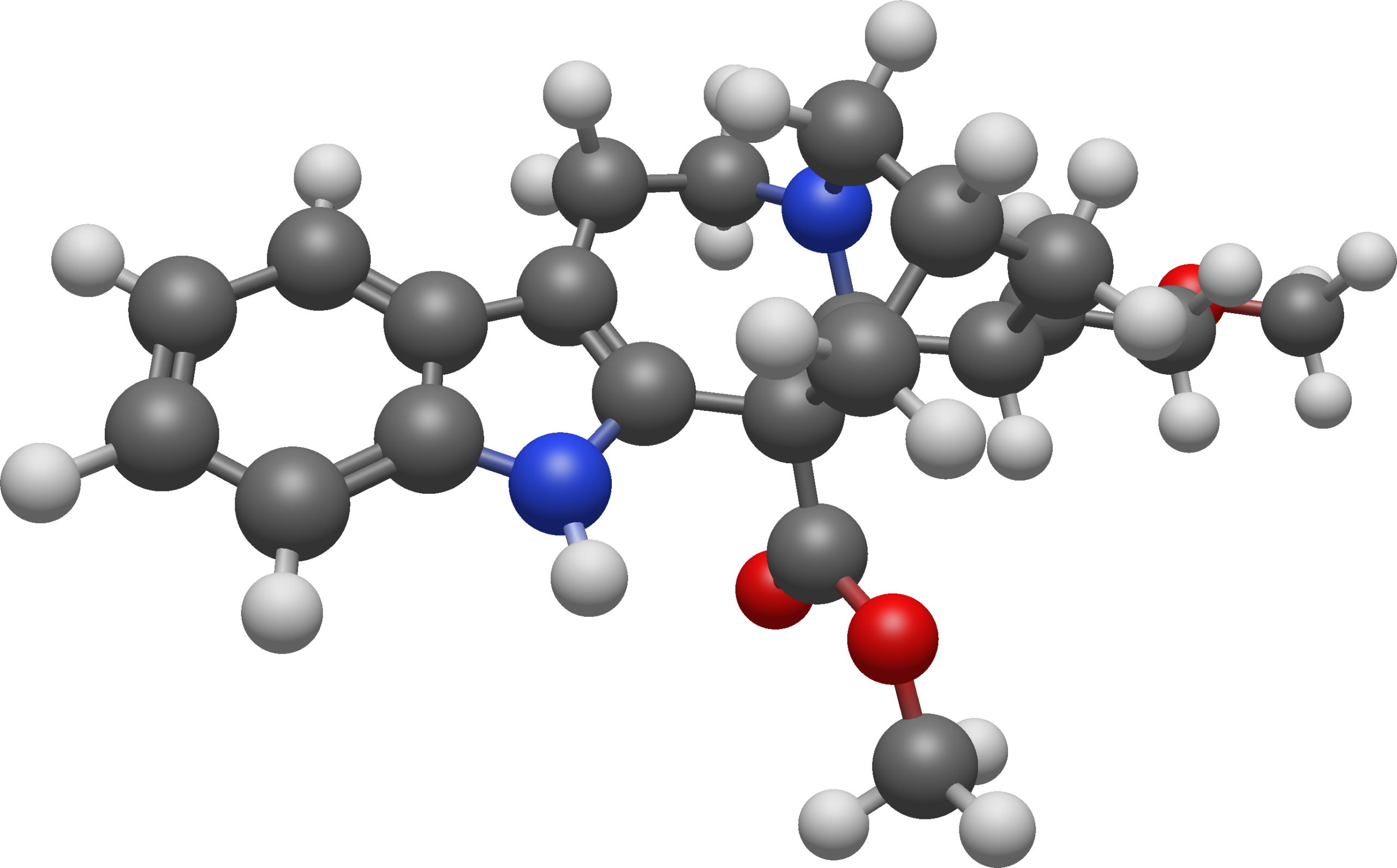
Tabernanthalog (TBG)
Engineered by Delix Therapeutics, TBG was designed from the molecular level to promote neuroplasticity and reduce addiction-related behavior without cardiac liability. Preclinical data has shown no significant QT prolongation a major advancement over ibogaine. The DLX-007 clinical trial is now evaluating TBG in humans, representing one of the most promising developments in the field.
Oxa-Noribogaine
Another emerging analogue, oxa-noribogaine has shown a cleaner cardiac profile than noribogaine in early studies while retaining anti-addictive properties. Research is ongoing.
These analogues represent the field’s answer to ibogaine’s cardiac problem not abandoning the therapeutic potential of iboga-class compounds, but refining them into medicines that can be prescribed safely.
The Policy Landscape in 2025 and 2026
Regulatory momentum around ibogaine has shifted considerably in recent years. In 2025, Texas allocated $50 million toward FDA-regulated ibogaine clinical trials the largest state-level investment in psychedelic medicine to date. A 2026 U.S. executive order directed federal agencies to accelerate their review of ibogaine-based therapies for veterans and first responders.
These developments reflect growing recognition that the opioid crisis demands bold scientific solutions. But they also reinforce the need for rigorous cardiac safety protocols to be embedded in any future FDA approval pathway. No regulator will approve a substance with ibogaine’s cardiac profile without clear evidence that it can be administered safely.
